29 October 2026 |
Festivals
Irish Myths and Legends: Exploring Ireland’s Rich Folklore
by Ann McElroy

Explore Ireland’s fascinating myths, age-old traditions and beautiful landscapes where legends have been passed down through generations.
Ireland is famous for its breathtaking scenery, welcoming villages, traditional music and rich history. But beyond its rolling green hills, ancient stone monuments and windswept Atlantic coastline lies another Ireland, a land of mythical creatures, mysterious spirits and captivating stories passed down through generations.
Long before modern novels and films brought supernatural tales to audiences around the world, Irish storytellers known as Seanachai were sharing stories – of strange creatures wandering through forests, mysterious figures travelling lonely roads and spirits whose appearances carried special meaning.
These stories were much more than entertainment. They formed part of a living tradition that helped rural communities understand the world around them, explain the mysteries of nature and preserve memories of people and places long after their time had passed.
Today, visitors exploring Ireland can discover the landscapes that inspired these traditions, from the countryside of County Derry to the mountains and lakes of Tipperary, the ancient sites of Roscommon and the winding country roads where local folklore has flourished for centuries.
So, if you are planning an Irish holiday, why not venture beyond the familiar tourist trail? You might discover that some of Ireland’s most fascinating stories begin where the roads grow quieter, the mist rolls in and local storytelling takes centre stage.
When we think of werewolves, we often picture the dark forests of mainland Europe. Yet Ireland has its own remarkable werewolf traditions, including a medieval account of a rather unusual wolf-like creature.
A story recorded by the medieval writer Gerald of Wales tells of a priest travelling through Ireland who encountered a wolf capable of human speech. The creature asked the priest to help its dying companion, revealing a more complex and surprisingly compassionate side to a being that might otherwise have inspired fear.
The tale is associated with the medieval traditions of Ossory, an ancient kingdom covering parts of what are now Counties Kilkenny and Laois. It reminds us that Irish folklore rarely fits neatly into the familiar categories of good and evil. Even a creature that appears extraordinary might possess human feelings, loyalties and sorrows.
For visitors, this is an invitation to explore Ireland’s rural heartland, where medieval churches, ruined abbeys, old settlements and quiet country lanes provide a tangible connection to the world in which such stories were told.
As you travel through the countryside, imagine a time when a fire burning in a cottage window offered welcome shelter from the darkness outside and when a strange howl beyond the fields might have prompted a storyteller to begin a tale.
Not every Irish legend centres on a mysterious nobleman or a creature emerging from the forest. Some of the most memorable stories concern colourful local characters whose reputations grew with every retelling.
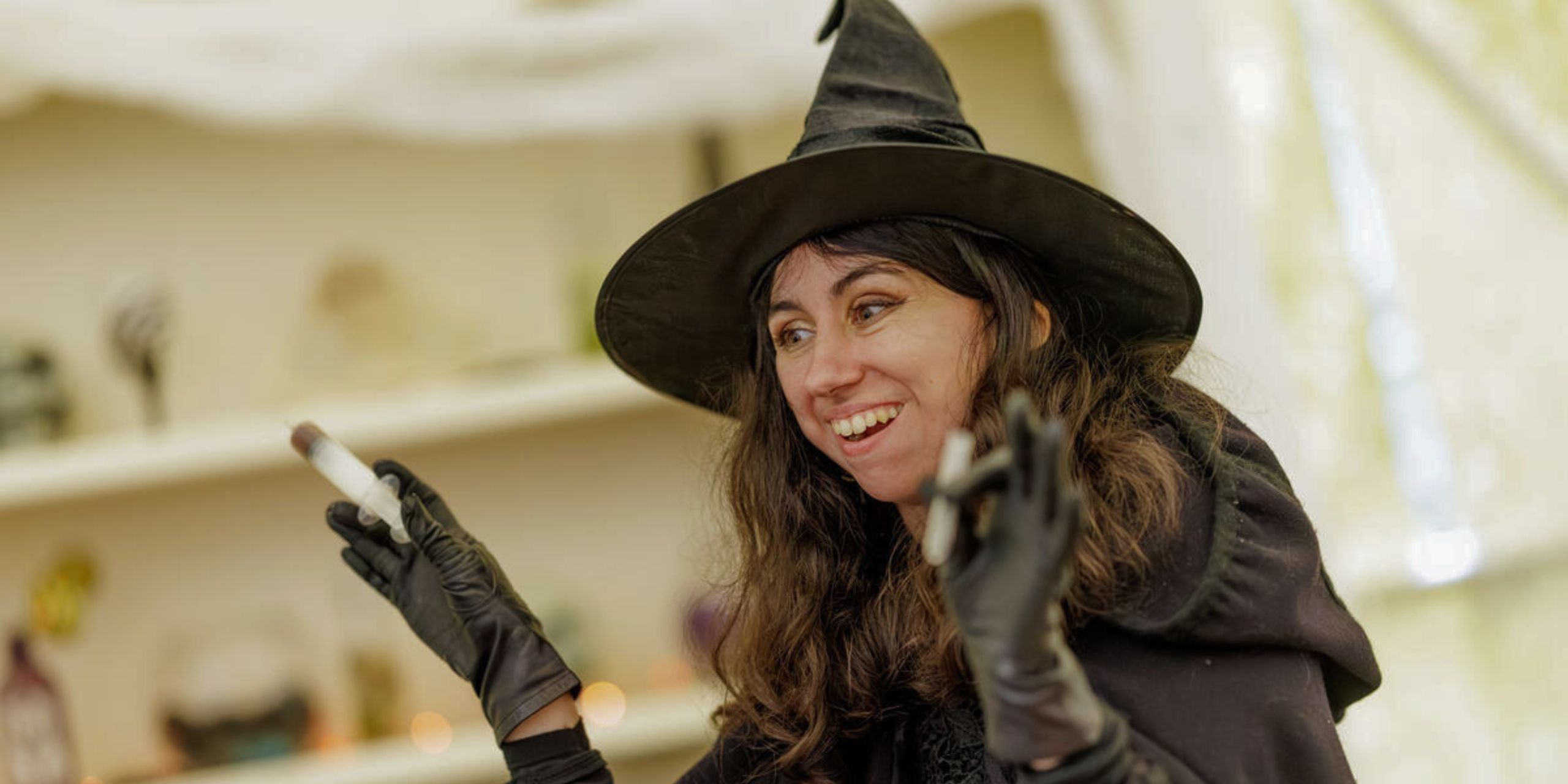
Petticoat Loose is one such figure in the folklore associated with County Tipperary, who was described in traditional tales as a formidable woman with a distinctive reputation. She was linked to strange occurrences, supernatural powers and encounters that left travellers with plenty to talk about.
In some versions, her unusual behaviour and the misfortunes surrounding her life led people to associate her with witchcraft. Stories also claimed that she continued to appear after her death, becoming connected with the surrounding landscape and a local mountain lake.
As with many local legends, details vary, and it can be difficult to separate older traditions from later embellishments. That uncertainty is part of the attraction, as folklore changes as stories pass from one generation to another.
Tipperary is a wonderful place to discover Ireland beyond the postcards, with its patchwork fields, historic towns, rural pubs and views towards the mountains. Take time to explore at a leisurely pace, stop in a village for a chat and ask about the local stories.
You may find that the most entertaining folklore comes not from a guidebook but from someone who has heard the tale since childhood and knows exactly when to pause for dramatic effect.
Long before vampires became popular figures in gothic novels and Hollywood films, Irish folklore told of Abhartach, a mysterious figure associated with County Derry in Ulster.
According to one version of the legend, Abhartach was a cruel chieftain who died but repeatedly returned from the grave to torment the people who had once lived under his rule. Unable to stop him through ordinary means, the community sought help from a rival leader, who in turn consulted a druid.
The resulting tale involves unusual burial rituals and attempts to prevent Abhartach from returning. Details differ between versions, but the central image remains compelling: a ruler whose influence over the living appears to continue beyond death.
Some modern retellings connect Abhartach with the wider history of vampire fiction. Although the precise influence on later writers remains uncertain, the legend offers a fascinating example of how Irish storytelling contributed to the broader tradition of supernatural tales.
County Derry and the surrounding Ulster landscape offer visitors a chance to experience a part of Ireland rich in history, dramatic scenery and local traditions. Here, the past is not confined to museums. It can be discovered in old graveyards, historic buildings, ancient place-names and stories still shared by those who know the countryside best.
Exploring these landscapes gives you a glimpse into the communities and traditions that helped shape Ireland’s rich storytelling heritage.
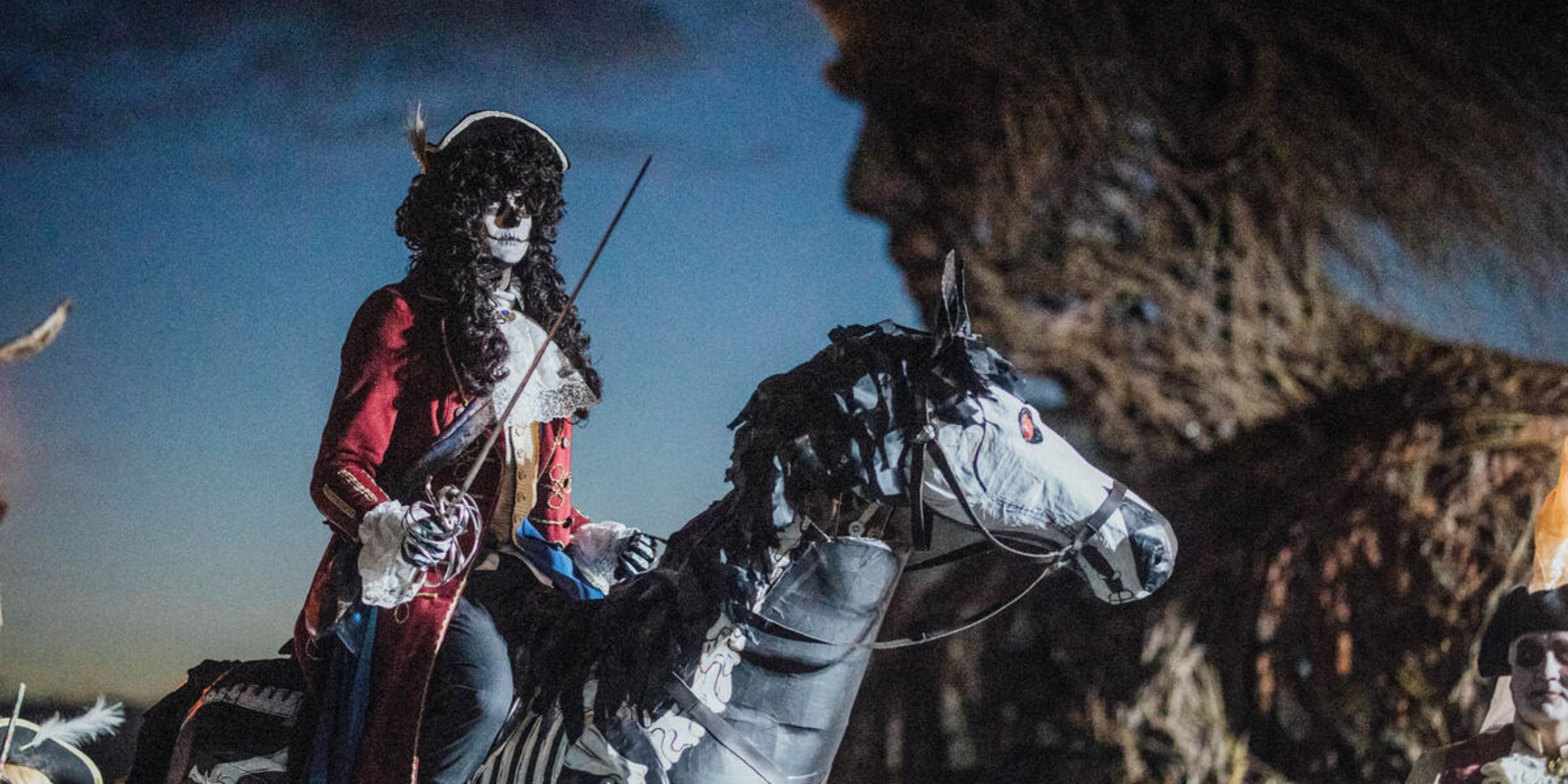
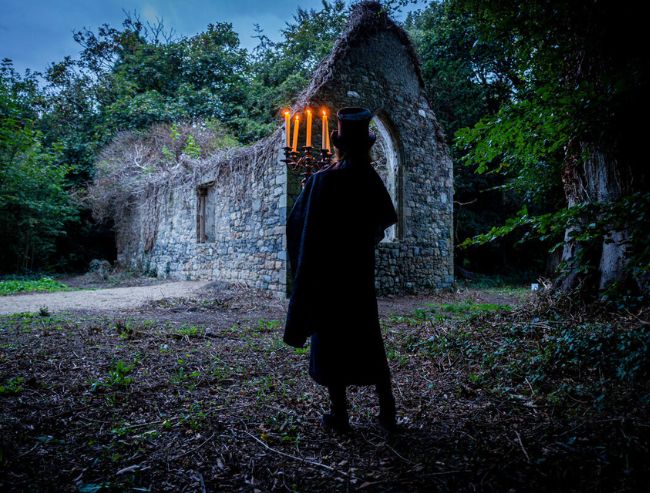
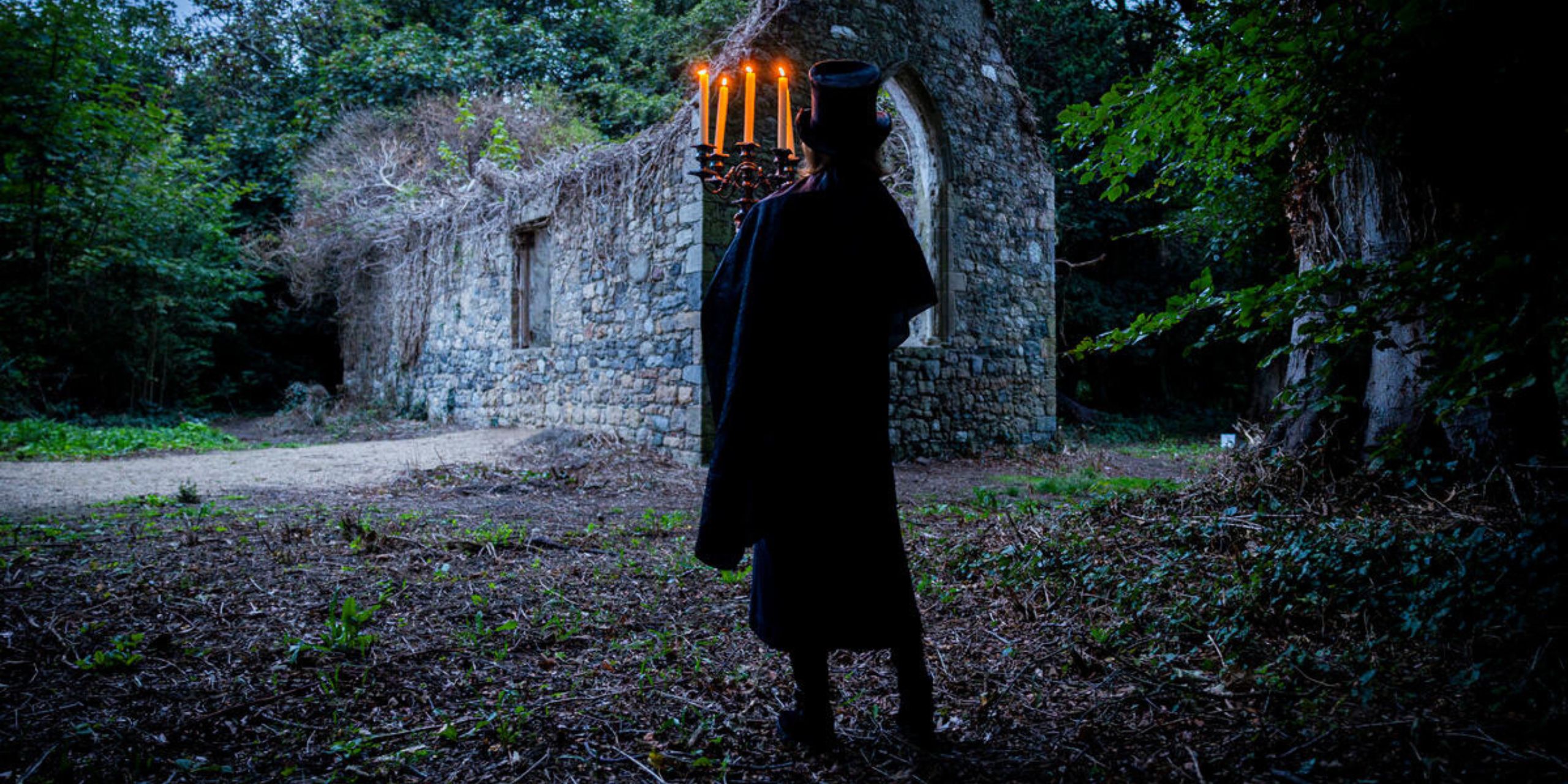
Few Irish supernatural figures are as distinctive as the Dullahan, the headless horseman of Irish folklore.
Imagine a quiet country road after sunset. Hooves sound in the distance, growing steadily louder. Out of the darkness comes a rider dressed in black, carrying his own severed head beneath one arm.
In traditional accounts, the Dullahan is associated with death and is said to travel through the night on a black horse or in a mysterious carriage. His appearance is often interpreted as a warning that someone’s time is near.
The details vary between regional stories, but the Dullahan has become one of Ireland’s best-known legendary figures. His influence can be felt throughout modern fantasy and horror, although the original Irish traditions have their own distinctive character.
What makes the legend particularly evocative is its connection with the landscape. Ireland’s network of old roads, isolated crossroads, ruined castles and rural lanes provides a natural setting for a story about a mysterious rider appearing after dark.
Travelling through the countryside, you will pass places where history stretches back hundreds of years. Some roads follow routes used long before modern transport existed, connecting settlements, market towns, churches and ancient sites.
During the day, these routes offer wonderful opportunities to discover hidden corners of Ireland. As evening approaches, with mist settling over the fields and the wind moving through the hedgerows, it is easy to understand why such stories have endured.
The Dullahan remains a wonderful example of how Irish folklore brings together imagination, landscape and the age-old human fascination with the unknown.
Irish fairy folklore is not always the cheerful world of tiny wings, lucky charms and pots of gold. Traditional accounts describe a much more complex supernatural realm, inhabited by beings who could be mischievous, unpredictable or even dangerous.
One of these figures is the Red Man, sometimes portrayed in folklore collections as a mysterious supernatural trickster. Rather than bringing good fortune, he delights in confusing and unsettling unsuspecting people.
In some tellings, his victims experience strange visions and unusual dreams, unsure whether what they are experiencing is real. His stories belong to a broader tradition in which supernatural beings were treated with respect and caution.
To understand this side of Irish culture, it helps to know something about the traditional belief in the Aos Sí, the supernatural people associated with fairy mounds, ancient places and the unseen world.
For generations, certain mounds, lone trees, ruins and patches of countryside were treated with particular respect because people believed they might be connected to the fairies. These traditions remain an intriguing part of Ireland’s cultural heritage.
When exploring rural Ireland, keep an eye out for ancient earthworks and unusual landscape features. You may not encounter the Red Man, but you will discover a countryside where history, belief and storytelling have long been intertwined.
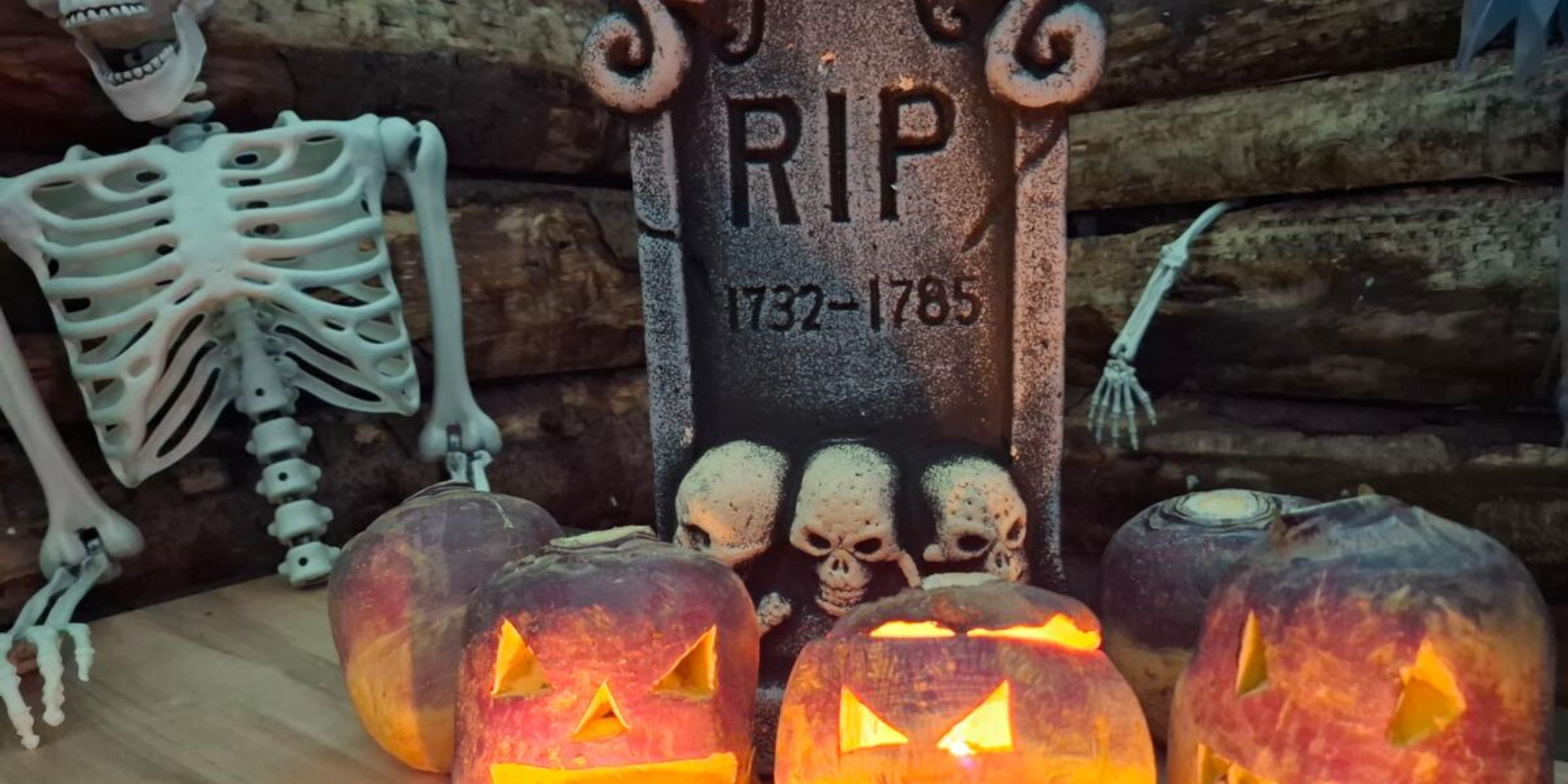
Ireland’s relationship with the supernatural extends far beyond individual legends. Archaeology has revealed unusual burial practices that offer a glimpse into how some communities may have understood death and the afterlife.
In Roscommon, archaeologists have uncovered medieval burials in which bodies were positioned or treated in ways that differed from more conventional Christian burials. Some discoveries have attracted particular attention because of the unusual positioning of remains and objects placed in the mouth.
These finds are sometimes discussed in connection with beliefs about restless spirits and the possibility of the dead returning to trouble the living. Such interpretations must be approached carefully, as archaeologists cannot always determine the precise beliefs or intentions behind an unusual burial.
Nevertheless, these discoveries offer a fascinating reminder that traditional beliefs could influence how communities understood death and treated their dead.
For visitors interested in Ireland’s deeper history, archaeological sites, local museums, historic graveyards and ancient monuments offer opportunities to explore these questions. Each provides another piece of the story of how Irish communities lived, worshipped, mourned and understood the world around them.
Roscommon, with its quiet rural scenery and rich archaeological heritage, is an excellent reminder that Ireland’s most compelling destinations are not always its busiest attractions.
Sometimes, the most memorable discoveries are the ones that encourage you to slow down, look more closely and wonder what happened here centuries ago.
Dogs appear throughout the folklore of many cultures, but Ireland’s supernatural traditions include some particularly memorable canine figures.
Known in various stories as devil dogs or supernatural hounds, these creatures are often described as enormous, dark-coloured animals with glowing eyes or other unusual features. Some are said to guard hidden treasure, while others appear as omens or guardians of special places.
Their precise appearance and role differ from one account to another, but the image is unmistakable: a strange dog appearing on a lonely road or near an ancient building, behaving in a way that makes it clear that it is no ordinary animal.
Ireland’s castles and ruins are natural companions to these tales. Many stand in dramatic settings, surrounded by fields, woodland, rivers or rugged hills. Even without a supernatural encounter, they offer visitors an opportunity to step into the atmosphere of another age.
As you explore, look beyond the best-known landmarks. Small ruins, old bridges and lesser-known historic sites can reveal a different side of the Irish landscape — one in which the stories are often as memorable as the scenery.
These local legends remind us that folklore is not only about mythical creatures. It also reflects the relationship between communities and the landscapes they have called home for generations.
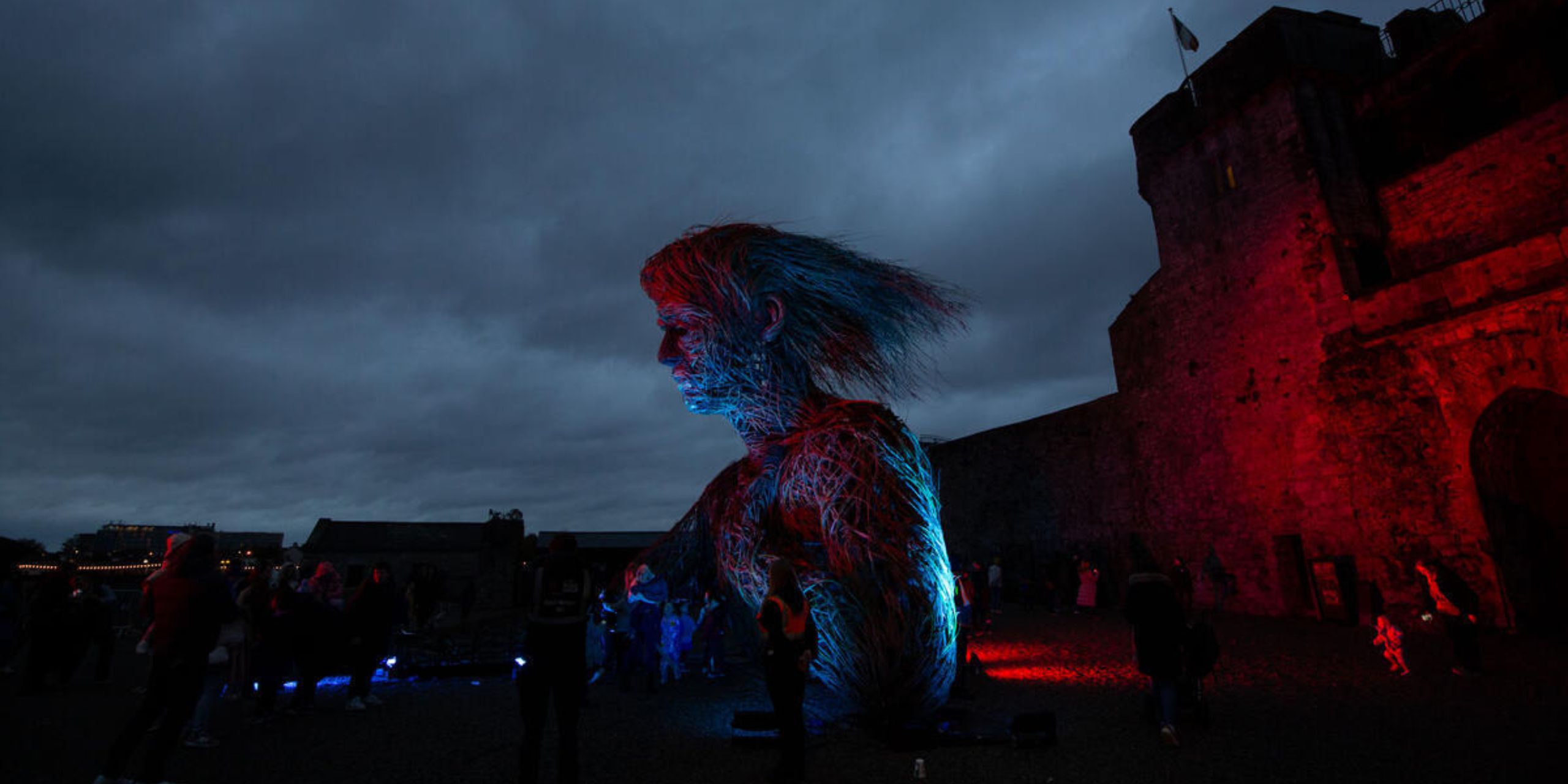
Of all Ireland’s supernatural figures, the banshee may be the most familiar.
The name comes from the Irish bean sí, commonly translated as “woman of the fairy mound.” In traditional folklore, the banshee is associated with certain families and is best known for her mournful wail, believed to foretell a death.
Unlike many modern portrayals, the banshee was not always imagined as a malevolent creature. Her cry could be understood as a lament, connecting her to Ireland’s long tradition of mourning and the caoineadh, or keening.
Keening was a traditional form of lament performed at funerals, particularly by women, using vocal expression and poetic language to give voice to grief. It formed part of a wider culture in which death was marked not only by ceremony but also by storytelling, music and communal remembrance.
Over time, supernatural traditions surrounding the banshee became intertwined with these older customs. In some accounts she appears as an old woman; in others she is young and beautiful, with long hair and a sorrowful expression.
The landscape adds to her mystique. Ireland’s rural communities have long lived among ancient family burial grounds, ruined churches and historic settlements, places that naturally invite reflection on those who came before us.
When you visit Ireland, take a moment to appreciate the stories connected with its historic graveyards and old family estates. They reveal a culture in which ancestry, memory and a sense of place remain deeply important.
The banshee is a reminder that Irish folklore is not simply about the supernatural. It also reflects the emotions, traditions and shared experiences that have shaped Irish communities for centuries.
Ireland’s folklore is not simply a collection of stories. It is part of a much larger cultural heritage shaped by rural life, ancient beliefs, the Irish language, music, landscape and the enduring tradition of storytelling.
The best way to appreciate these traditions is to experience the places that have kept them alive.
Explore an ancient monument and consider the generations who have stood there before you. Wander through a historic town, visit a castle or ruined abbey, or spend an evening in a traditional pub where a conversation with a local might lead to a story you will remember long after your holiday ends.
Across Ireland, the scenery changes from one county to the next. The south-east offers historic towns and ancient heritage; Cork and Kerry combine dramatic coastlines with rural communities and mountain scenery; County Clare reveals the extraordinary limestone landscape of the Burren and the wild Atlantic edge; while Galway and Connemara offer a distinctive blend of Irish-speaking traditions, rugged mountains, islands and coastal villages.
These are landscapes where local history and folklore can be explored alongside Ireland’s celebrated natural beauty.
For travellers who want to see more of the country, a well-planned journey makes it possible to experience a remarkable range of destinations while leaving time to stop, explore and follow your curiosity.
Explore Ireland on a 10-Night Best of Ireland Tour
If these stories have sparked your curiosity, why not make Ireland your next adventure?
The 10-Night Best of Ireland Tour offers a wonderful introduction to the country’s landscapes, history and cultural heritage.
From the historic streets of Dublin and the medieval character of Kilkenny to the castles and coastal scenery of Cork and Kerry, this journey continues towards the spectacular Cliffs of Moher, the remarkable limestone terrain of the Burren, the Aran Islands and the wild beauty of Connemara.
Along the way, you can discover ancient monuments, historic buildings, traditional communities and the varied landscapes that have inspired Irish stories for centuries.
Leave room for the unexpected. Stop at a village pub, listen to traditional music, visit a local heritage centre or ask about the legends associated with the place you are exploring. You might discover a local tale that never made it into a guidebook.
Whether you are fascinated by ancient history, enchanted by folklore or simply eager to experience the warmth and beauty of rural Ireland, a journey across the island offers countless opportunities to discover something new.
Come for the scenery. Stay for the stories. Discover the Ireland that lives on in its landscapes, traditions and people.
Explore the 10-Night Best of Ireland Tour and begin planning your Irish adventure today.