
Surprisingly, Ireland’s patron saint wasn’t actually Irish.
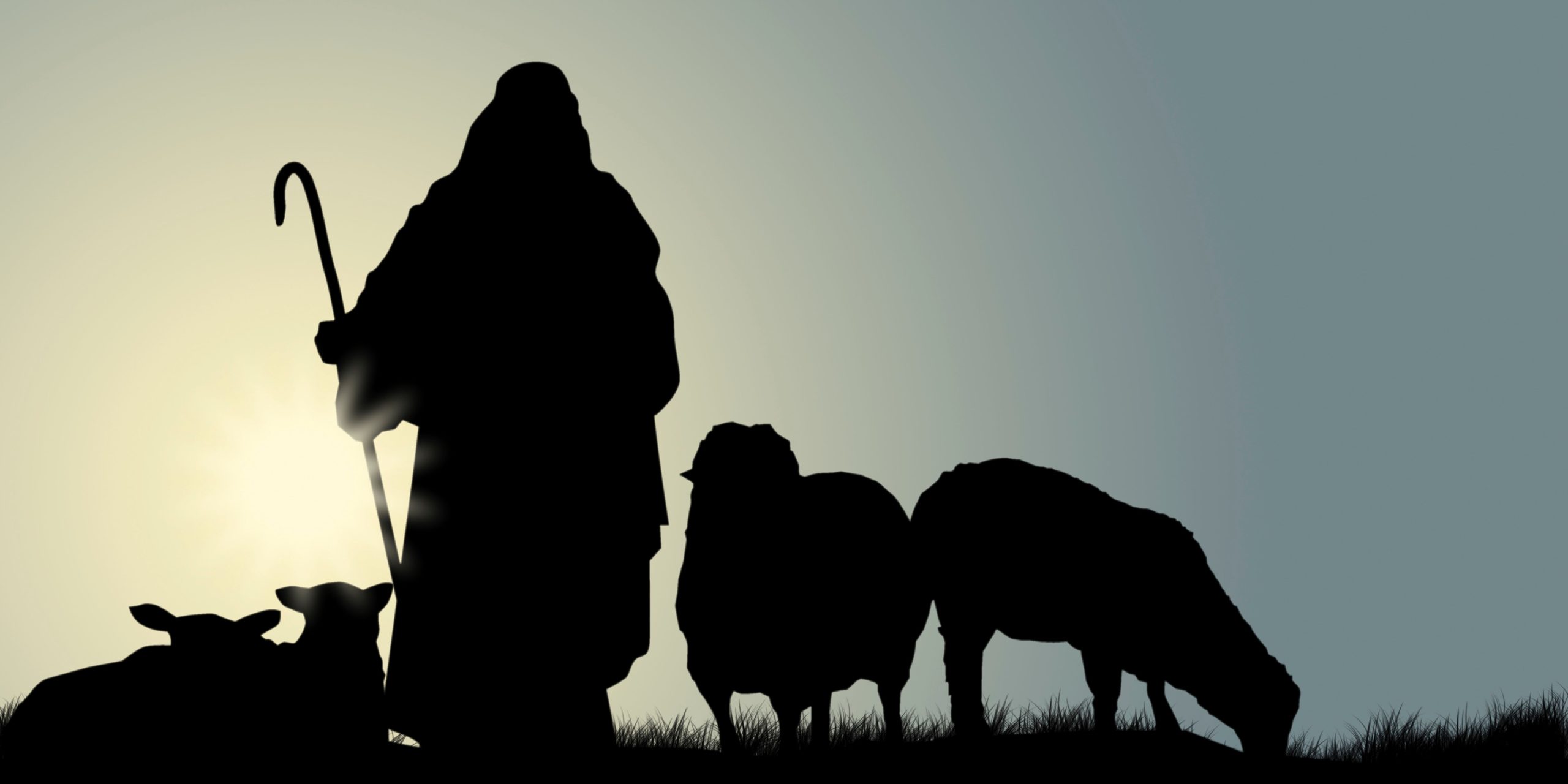
Saint Patrick was born in Roman Britain in the late 4th or early 5th century. As a teenager, he was kidnapped by Irish raiders and brought to Ireland as a slave. He spent several years tending sheep, during which time he turned deeply to his Christian faith.
After about 6 years, Patrick finally escaped capture and returned home. However, he later chose to go back to Ireland — not for revenge, but as a missionary. He is credited with helping spread Christianity throughout the island, baptising converts and establishing churches. Over time, stories and legends grew around him, cementing his place in Irish history.
March 17th is believed to mark the date of Saint Patrick’s death in the 5th century. Originally, St. Patrick’s Day was a solemn occasion — a time for prayer and reflection rather than celebration. In fact, pubs in Ireland were historically closed on March 17th until the 1970s!
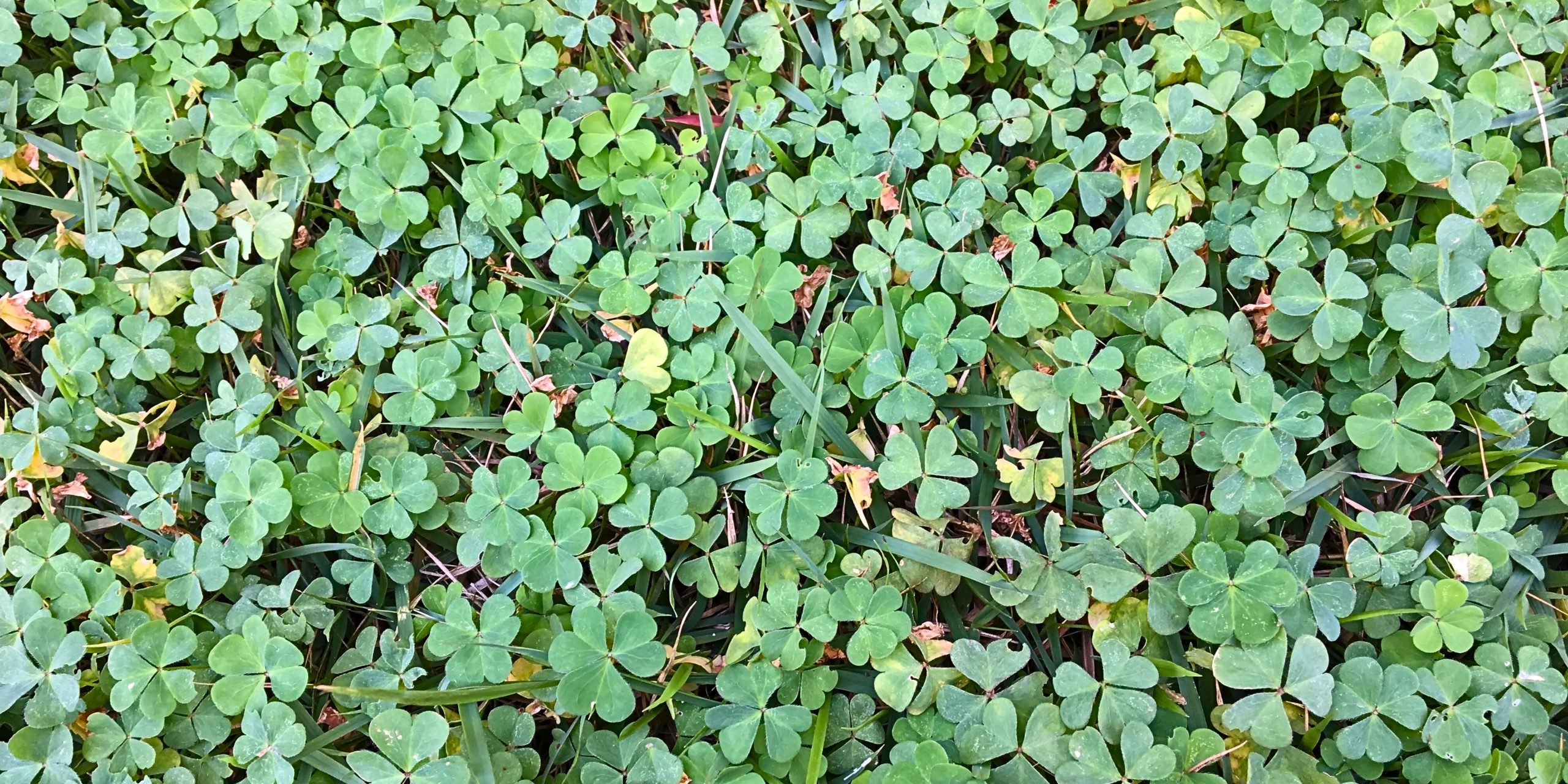
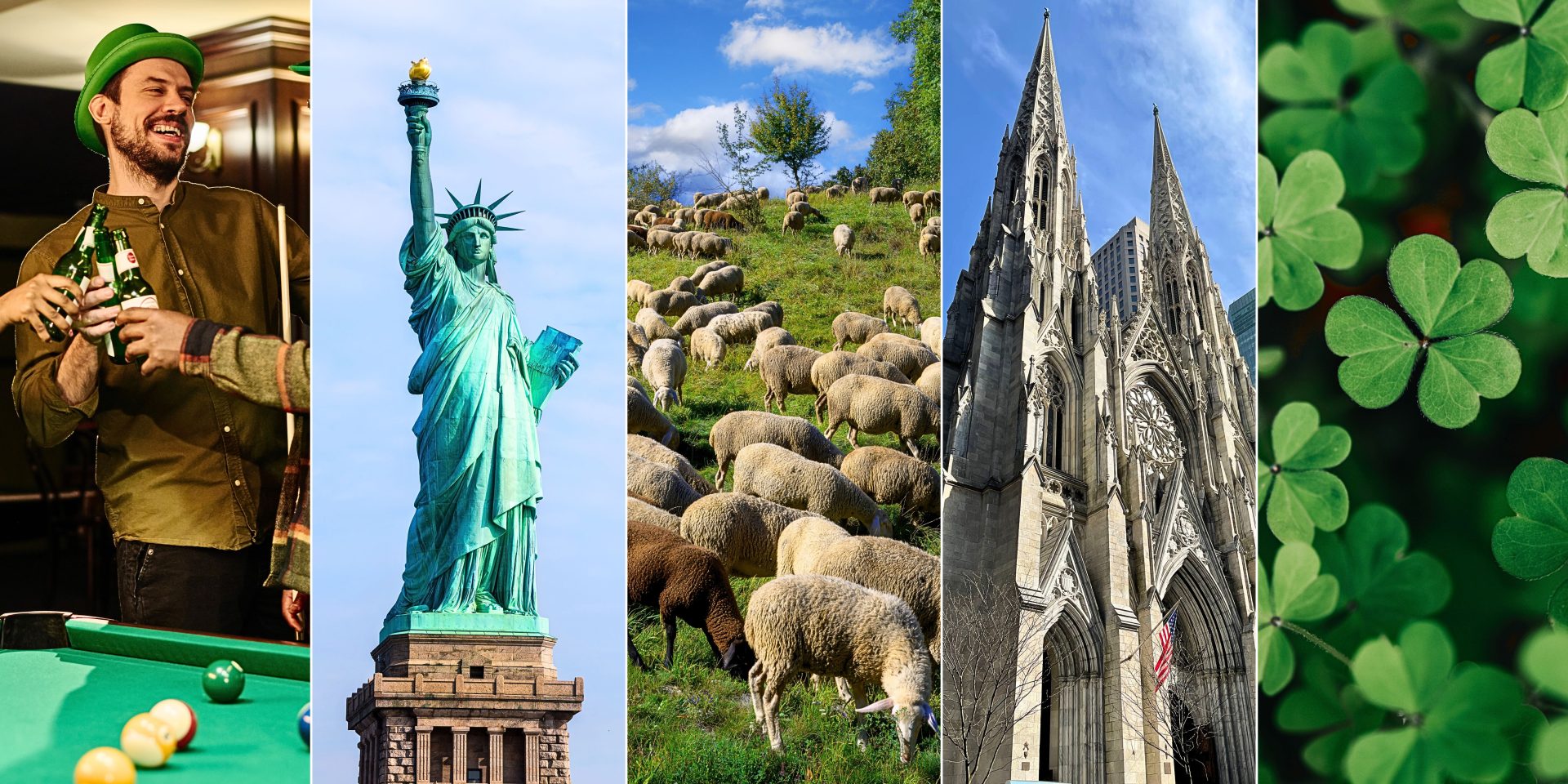
One of the most famous symbols of St. Patrick’s Day is the shamrock. According to legend, Saint Patrick used the three-leafed plant to explain the concept of the Holy Trinity (Father, Son, and Holy Spirit) to the Irish people. Whether entirely factual or not, the shamrock became a lasting emblem of both the saint and Ireland itself.
Another well-known tale claims that Saint Patrick drove all the snakes out of Ireland. While there’s no scientific evidence that snakes ever lived in post-Ice Age Ireland, the story is widely believed to symbolise his role in driving out pagan practices and establishing Christianity.
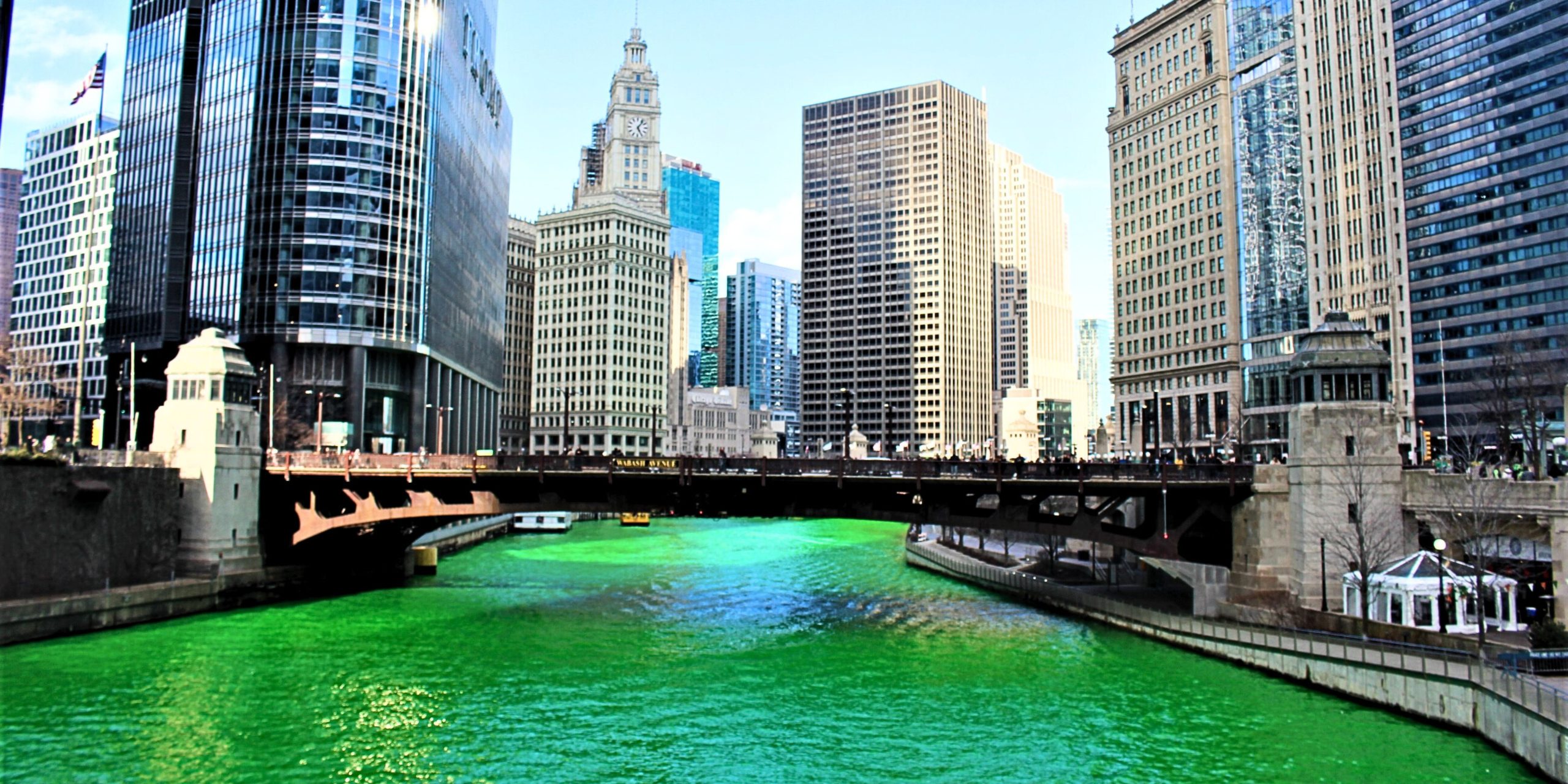
For centuries, St. Patrick’s Day remained primarily a religious holiday in Ireland. Ironically, the large-scale parades we associate with the day today actually began in the United States, organised by Irish immigrant communities celebrating their heritage. Over time, the holiday evolved into a worldwide celebration of Irish culture — complete with music, dance, food, and plenty of green attire. Today, landmarks across the globe light up in green as part of the “Global Greening” initiative, while Ireland itself hosts festivals, concerts, and cultural events.